Don't miss our holiday offer - up to 50% OFF!

The Power of the US Dollar 10 Reasons It Matters

The Power of the US Dollar 10 Reasons It Matters
The Power of the US Dollar 10 Reasons It Matters. The US dollar (USD) stands as one of the most influential currencies in the world. Its green color, iconic symbols, and global dominance make it more than just a form of money—it’s a pillar of international trade, finance, and stability. Whether you’re a business owner, traveler, or investor, understanding the power of the US dollar can help you make smarter economic and financial decisions. In this article, we’ll explore 10 key reasons why the US dollar matters and continues to play a vital role in the global economy.
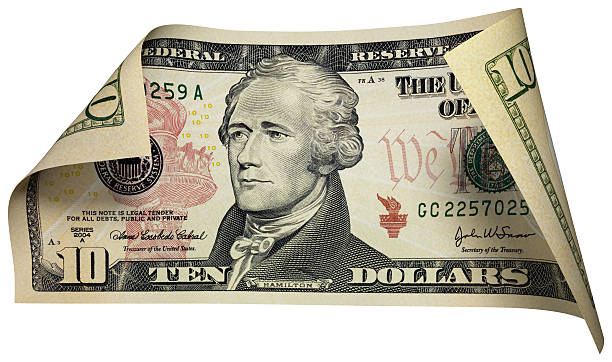
1. The World’s Primary Reserve Currency
The US dollar is the most widely held reserve currency across the globe. Central banks and financial institutions in nearly every country hold USD as part of their foreign exchange reserves. This dominance means the dollar plays a key role in global financial stability. When uncertainty strikes, investors and governments turn to the dollar as a safe haven. Over 60% of global reserves are denominated in USD—a testament to the trust the world places in America’s economic strength.
2. Backbone of International Trade
From crude oil to coffee, many of the world’s most traded commodities are priced and sold in US dollars. This system—often called the “petrodollar” standard—means that even countries outside the US must conduct transactions in USD. Businesses and governments rely on the dollar for cross-border trade, which simplifies pricing and reduces currency exchange risks. This widespread use reinforces its influence on global markets.
3. Stability and Trust
The stability of the US economy plays a crucial role in the dollar’s strength. The United States boasts one of the largest and most stable financial systems in the world, supported by a strong legal framework, advanced banking systems, and transparent monetary policies. This stability gives international investors confidence that the dollar will maintain its value over time, even during periods of political or economic turbulence.
4. Influence in Global Financial Markets
The US dollar is the standard currency used in most international loans, bonds, and investments. Global institutions such as the World Bank and International Monetary Fund (IMF) use the USD as their primary operating currency. As a result, shifts in US monetary policy—like changes in interest rates—can have ripple effects across the world. The dollar’s power in global finance means that decisions made in Washington, D.C., can influence markets from London to Tokyo.
5. A Safe Haven in Times of Crisis
During financial downturns or geopolitical conflicts, the demand for the US dollar typically increases dramatically. Investors view it as a “safe haven” asset because it holds value when other currencies or commodities fluctuate. For example, during economic recessions or global market crashes, the dollar often strengthens as investors move their funds into US assets like Treasury bonds. This defensive strength underscores the dollar’s reputation as the world’s most reliable currency.
6. Global Investment Opportunities
Holding US dollars opens the door to a wide range of investment opportunities, from American stock markets to real estate. The US hosts some of the world’s largest corporations—like Apple, Microsoft, and Amazon—whose stocks are traded in dollars. Investors worldwide seek exposure to these markets, driving demand for USD. Moreover, US Treasury securities are considered one of the safest investments, providing steady returns and liquidity.
7. Travel and Tourism Advantages
For travelers, the US dollar offers unmatched convenience. It’s accepted or easily exchanged in almost every country, making it one of the most travel-friendly currencies in the world. Whether you’re exploring Asia, Europe, or Africa, having US dollars on hand can save you from currency conversion hassles. Many international hotels, tour operators, and even local vendors prefer USD for its reliability and universal recognition.
8. Influence on Global Exchange Rates
Because the dollar is so widely used, it plays a central role in determining global exchange rates. Many countries “peg” their currencies to the USD, meaning their value rises and falls alongside it. This practice helps maintain stability in global trade and investment. However, it also means that when the dollar strengthens, it can impact global competitiveness—making US exports more expensive but imports cheaper.
9. Digital Transformation and Future Role
With the rise of digital currencies and online banking, the US dollar continues to adapt. Stablecoins—cryptocurrencies pegged to the USD—are now used worldwide for faster, low-cost transactions. This innovation demonstrates that even in the digital era, the dollar remains the foundation of global value exchange. The possibility of a digital US dollar (CBDC) further reinforces its influence, ensuring the currency’s relevance in the future of global finance.
10. Symbol of Economic Power and Influence
Beyond its financial role, the US dollar represents economic strength, trust, and leadership. It embodies the global reach of the American economy and the influence of its policies. The dollar’s power extends into international relations, global aid, and trade agreements, often shaping the balance of power between nations. As long as the United States maintains its economic and political prominence, the dollar will continue to symbolize stability and prosperity.
Conclusion: Why the US Dollar Still Rules the World
The power of the US dollar lies not only in its economic value but also in the confidence it inspires. From central banks to individuals, millions of people rely on it daily for trade, investment, and savings. Its dominance is backed by a strong economy, global trust, and adaptability to modern challenges.
Whether you’re looking to invest in foreign markets, manage international trade, or travel abroad, understanding the significance of the US dollar is essential. It’s more than just paper or digital money—it’s the world’s financial heartbeat.
As global economies evolve, one thing remains clear: the US dollar continues to matter, and its influence will shape the future of international finance for decades to come.